
News
Alpacas give Wisconsin farmer a unique business model
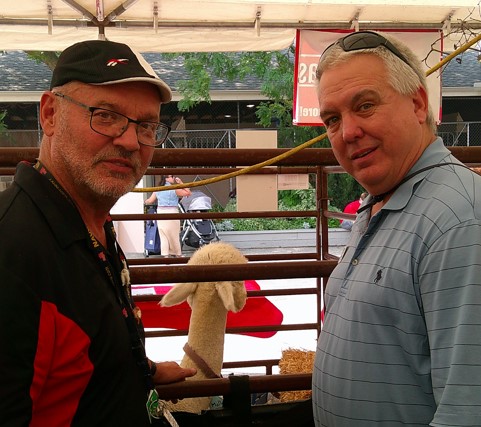
A former educator and dairy farmer has found his niche in fiber and ag tourism.
Kevin Stoer started raising alpacas about thirty years ago on a former dairy farm near Two Rivers, Wisconsin. He says the alpaca fleece is cut once a year, usually in May, and that fiber is very useful for creating warm and comfortable clothing. “We make many products from that, and an alpaca has quite unique characteristics. It’s three-times warmer than sheep wool, seven-times as strong as sheep wool, and has a lower micron so it doesn’t have that itch and it’s completely a dry fiber so there’s no lanolin in it.”
Stoer tells Brownfield alpaca fiber is a better alternative to many of the synthetic products on the market, something he learned as a downhill skier years ago. “Then I found my first pair of alpaca socks and I couldn’t believe the difference because alpaca wicks moisture away. My feet sweat in the winter, and when your feet sweat, that little moisture that’s between your toe and the boot is what cools your feet off very quickly.”
Stoer says a Peru alpaca research center says the animals will live about twenty years, but he has a twenty-three and a twenty-four year old and credits their longevity to a more balanced diet. He says during the summer, his alpacas are on pasture and he feeds them hay in the winter. “Most of the hay raised in this state is for milk cows. Well, if I fed that same hay to an alpaca, it would increase the diameter of the hair shaft and it would start to be coarse, so we feed alpacas exclusively orchard grass.”
Stoer also hosts tours at his farm, LondonDairy Alpacas. He spoke to Brownfield during the Wisconsin State Fair.
Tags: Alpacas, Kevin Stoer, State Fair, Wisconsin
-
-
I wear alpaca socks year around. They breathe so your wool doesn’t absorb moisture from sweat, rain, fording a stream. Nothing better than wool of all types. Easier to care for and doesn’t absorb odors like synthetics do. Stains easily removed.
More raising of animals to kill for a needless human need.