
News
Input costs, weather may have altered farmers’ spring planting plans
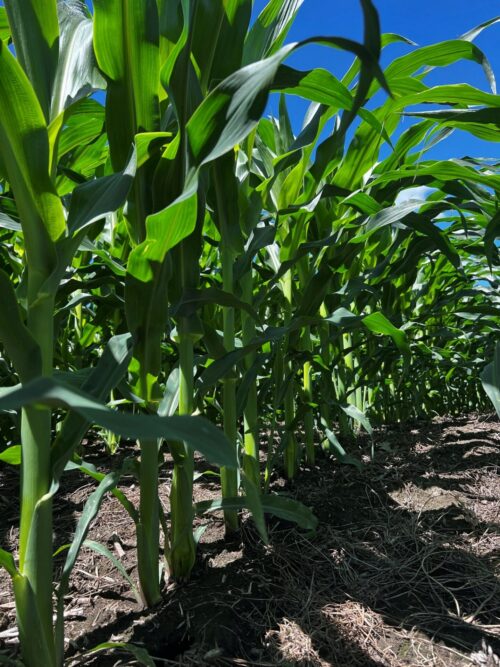
Weather and rising input costs have likely made an impact on U.S. farmer planting decisions this spring.
DuWayne Bosse with Bolt Marketing tells Brownfield he’s been getting mixed signals on corn acres.
“Right around my area, in northeast South Dakota, I saw corn on corn being put in. So I thought, wow, acres aren’t gonna be down. But when you talk to co-ops and seed salesmen, it sounds like if farmers didn’t have fertilizer booked before, they did not plant the corn then.”
In its Prospective Plantings report released in March, the USDA said U.S. farmers intend to plant 95.3 million acres of corn, a decline from last year. Soybean acres were expected to be 84.7 million, an increase from last year.
Don Roose with U.S. Commodities in Iowa says some analysts believe corn acres will decline two million acres, but he’s got a different take.
“We think they’re going to stay the same,” he says. “We think that we had a rush for people to plant, weather was good. And then we think the soybean acres will probably go up two million acres. We think that we grow the pie overall.”
Roose tells Brownfield “the soybean carryout can change if you take two million acres, and we get a 53 bushel yield, you’re talking adding about 100 million to the carryout. So we’re going to have to have new demand. And on the corn, if we leave acres unchanged and we get a yield that gets back up to, we’ll say last year’s level, that pretty well wipes out all plus of any new Chinese demand that we’d have.”
USDA’s acreage report will be released on June 30.
Hear Brownfield’s interview with Don Roose.
Hear Brownfield’s interview with DuWayne Bosse.
Add Comment