
News
Michigan State Extension helps farmers test for PFAS and manage risks
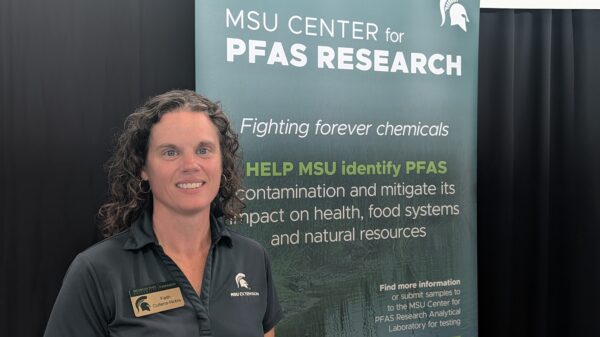
An Extension educator says proactive testing is helping farmers better understand their risk of PFAS exposure.
Michigan State University Extension’s Faith Cullins Nobis tells Brownfield, “Right now we don’t have any food safety regulations or regulations that require farmers to test land or water for PFAS.”
“But we know that this contaminant is in Michigan, it is on farms, and eventually there’ll be some type of regulation with food,” she says.
She says state grants are supporting free confidential assessments and testing for some forever chemicals through Extension.
“I work with a lot of farmers that are just interested, they want to know, is their food supply safe, is their water safe, are their soils clean?” she shares. “We’ve worked with a lot of those farmers and so far haven’t had any surprises on contamination, so that’s really good news.”
Cullins Nobis says if a farm is positive, she helps develop plans for remediation or mitigation to keep producers in business.
“If they’re growing row crops, then it’s not as high a risk as if you’re grazing animals that have direct contact with the soil,” she explains. “We know that grasses take up a lot of PFAS. If you’re selling direct to consumer, that’s a higher risk than selling in the general commodity market.”
Cullins Nobis says additional state funding supporting new PFAS research in agriculture will also help identify ways to address contamination issues.
According to the EPA, PFAS are a class of manufactured chemicals that have been used in industry and consumer products since the 1940s. There are thousands of different PFAS, some of which have been more widely used and studied than others. They are called forever chemicals because they break down very slowly over time.
Add Comment