
News
Pollinator plots benefit farms & cities
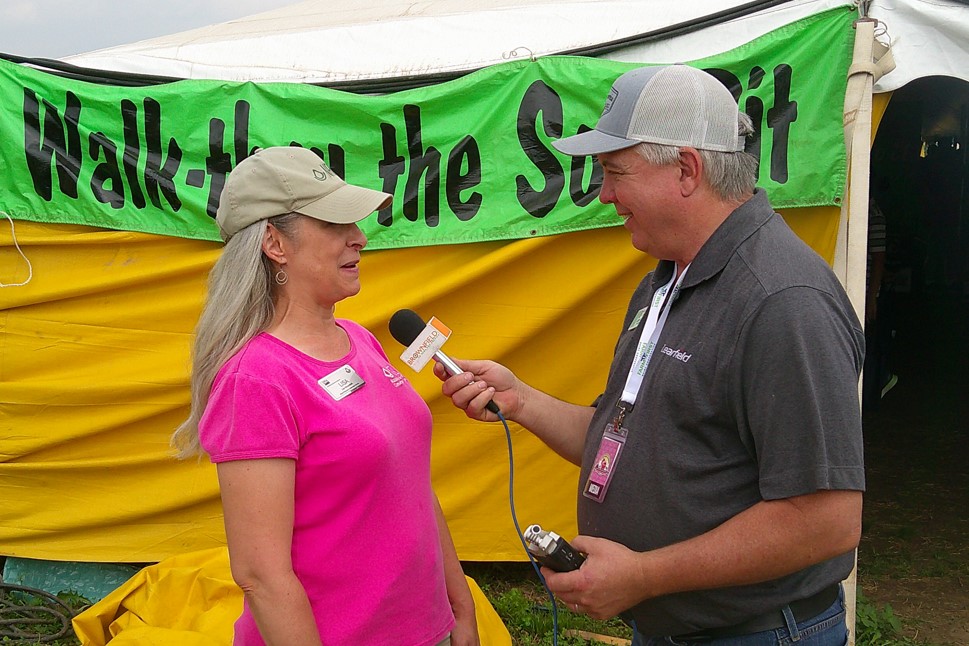
A USDA official says more people on and off the farm are creating habitat for pollinators.
Lisa Neuenfeldt from USDA’s Natural Resources Conservation Service tells Brownfield their programs help landowners reestablish native grasses, and flowering plants that bloom at various times between spring and fall. “We have a lot of farmers that have taken lower-yielding areas out of production because they’re not profitable in general and have put in habitat projects, and I can say a lot of them are very happy they did.”
Neuenfeldt says another popular place for planting native grasses and flowers for pollinators is along the edge of fields next to woodlands. “Typically, those are also lower-yielding areas. They get a lot of shade from the overhanging trees and they usually get a lot of pressure from deer browsing them and eating the crops, so it’s also a really good spot to take out of production and put into pollinators, and we’ve got a lot of programs that can help them do that.”
Neuenfeldt says planting for pollinators is also popular in urban areas. “A lot of people have backyard gardens, and if we can establish some native habitat in our cities, then you’re just bringing the pollinators in to help out with pollinating your garden plants and also, honey bees are in decline right now. A lot of pollinators are in decline right now, so the more habitat we have for them, the better.”
Neuenfeldt says more information about establishing pollinator sites can be found at county NRSC offices and online at NRCS-dot-gov.
Lisa Neuenfeldt spoke to Brownfield during Wisconsin’s Farm Technology Days.
AUDIO: Lisa Neuenfeldt discusses pollinator plot establishment with Brownfield’s Larry Lee during Wisconsin’s Farm Technology Days.
Add Comment