
News
Tax, legal hurdles complicate selling the farm
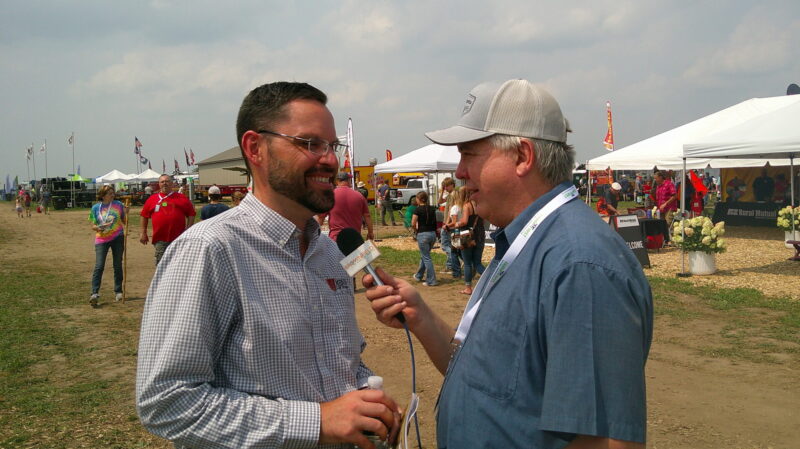
An agricultural law attorney says selling the farm without proper planning can have huge tax implications.
Will McKinley with Menn Law Firm tells Brownfield when there’s no family member or employee to take over, aging farmers often seek buyers, but he says that can be costly to the farmer. “There’s definitely tax issues if we’re trying to sell the farm while people are still alive. The best tax planning is death. I hate to say it. It’s not good for the dead person but good for everyone else because we can essentially wipe clean almost all of the tax consequences of the sale of a farm if we wait until someone passes away before we do it.”
McKinley says for many farms, the number of zeros on the balance sheet is so large that the tax bullet is too much to take, leaving too much money on the table for Uncle Sam. “If it’s land that’s been in the family for two or three generations, even that can be a significant tax hit, but when we’re talking about youngstock, when we’re talking about equipment and machinery, absolutely. Waiting until a death if you can, if you can get away with it is optimal because all of the capital gains you would otherwise see in the sale, it’s gone.”
McKinley says another potential problem is when the parents gift part of the farm to a child and then decide to sell because they’re paying taxes on the gift and then more taxes on the sale of the farm. McKinley says many of the issues he must fix are because of farm decisions made many years ago that made sense at the time but no longer benefit the family.
AUDIO: Will McKinley discusses farm transition and sale issues with Brownfield’s Larry Lee at Wisconsin Farm Technology Days
Add Comment