
News
Cattle producers face growing pasture losses as pasture mealybugs spread across Southern states
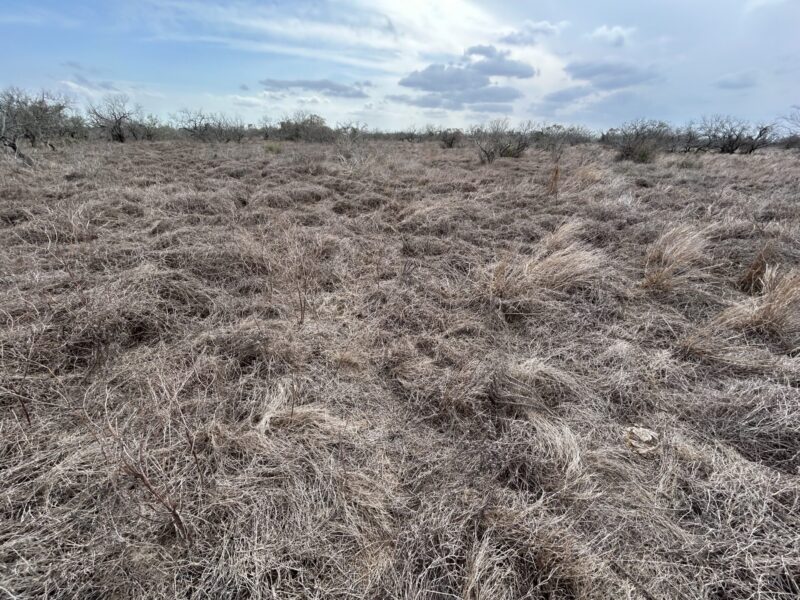
Cattle producers in the south are facing another challenge as they consider herd expansion. Verl Cash, the Natural Resources Manager for the King Ranch says pasture mealybug infestations have been confirmed in multiple counties Texas, along with Louisiana, Florida, and Georgia.
“Pasture mealybugs are a sucking insect or sucking pest, and they are specific to grasses,” he says. “They’re on the grass plants, on the bottom side of the leaves, on the roots, and they’re sucking sap.”
He tells Brownfield immature pasture mealybugs inject saliva into the plant and it is toxic to the grass. “The plants are getting stressed from multiple factors, coupled with droughts or dry times,” he says. “It just overwhelms that plant. It leads to pasture dieback and or significant grass mortality.”
Cash says feeding damage also exposes the plant to secondary infections fusarium or other fungal infections.
King Ranch Institute for Ranch Management director Charley Martinez says infestations and pasture losses are additional hurdles for cattle producers to clear if they are considering herd expansion.
“Even though we’ve had rain and drought should be something that would subside,” he says. “The mealybugs are not only having short run impact and taking out grasses, but it seems that they’re actually going to end up having long-term impact until we find a solution.”
Cash says the presence of pasture mealybugs isn’t just limiting the opportunity for herd expansion, it’s also resulting in additional culling.
“The animal unit reductions that we currently have, we’re attributing 60 to 80% of those reductions due to pasture mealybugs,” he says. “The droughts have been legit, no doubt about it, but the pasture mealybugs are not allowing pastures to recover.”
Infestations have been confirmed along Gulf-coast states, but Cash says the pest moves and producers further north should be aware of the situation. “The mealybugs have spread into multiple different ecoregions and habitat types, so they seem to be quite adaptive to different habitats and environments,” he says. “With the speed at which they spread in Texas already and other states, I think we’re going to see some spread move on to other parts of the country.”
Pasture mealybugs are especially damaging to warm-season perennial forage grasses like bermudagrass and bahiagrass.
Cash says it can also impact sugar cane and corn crops.
Add Comment