
News
Railroad merger raises questions about rates and competition
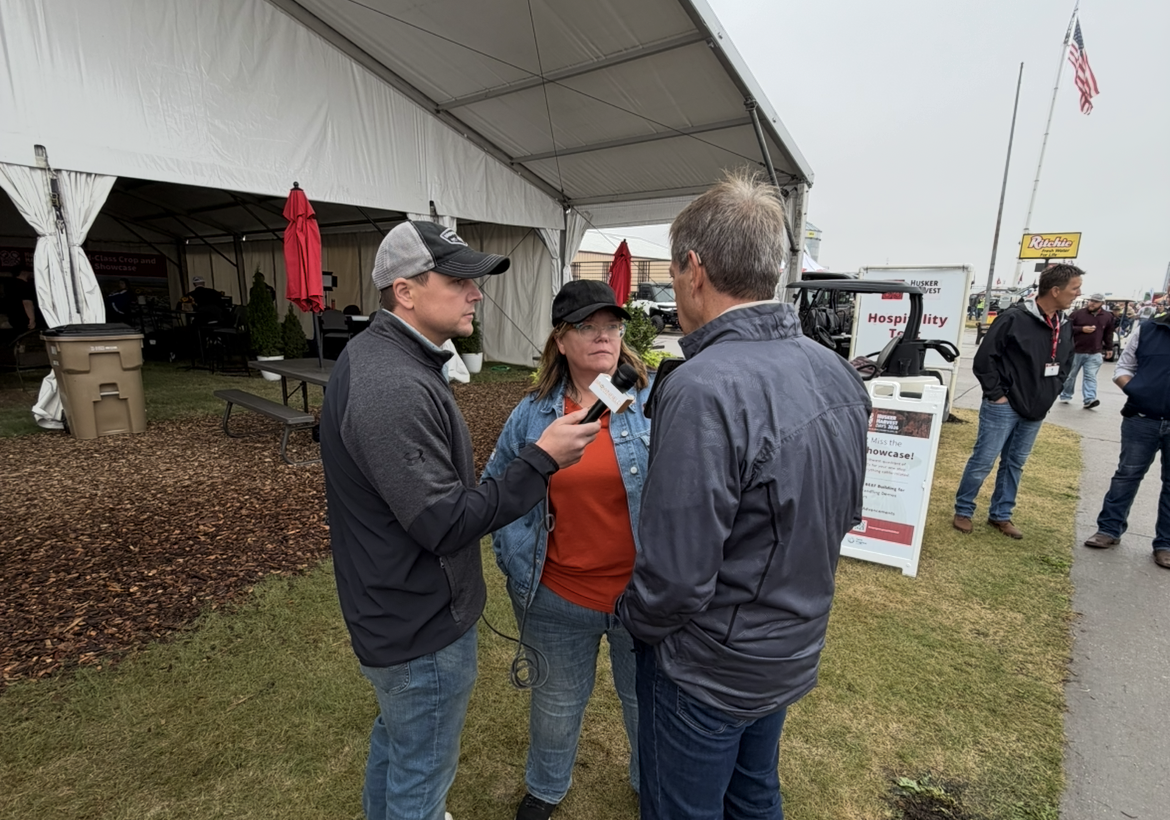
Some ag groups say there’re still plenty of unanswered questions about a potential railroad merger between Union Pacific and Norfolk Southern.
Michael Dibbern is president of the Nebraska Corn Growers Association. “The jury is still out. There’re some benefits that they talk about on time and efficiencies, and that’s great. We want to stay more competitive as Brazil and other countries become more competitive against us production wise.”
But, he tells Brownfield, there’s uncertainty about its impact on transportation rates.
The Surface Transportation Board recently moved the $85 billion merger into the full review merits phase where shippers and stakeholders can submit comments by the end of the week.
Zak Andersen, chief of staff and vice president of communications, with BNSF says the merger creates unprecedented market consolidation and impacts producer profitability. “If you’re trying to move grain to export in the summer, and have a messed up rail network, that’s not going to help you at all. In sum, it also is going raise prices on consumers, right? If you have that much concentration of market power, you’re going to end up charging higher rates, which is passed on at a time when farmers are stretched thin with $6 diesel.”
The American Farm Bureau Federation and National Grain and Feed Association are opposed to the merger citing reliability and cost issues.
Nebraska Governor Jim Pillen tells Brownfield, “Having a transcontinental railroad is a no-brainer. Are those groups against interstate commerce? Are they against having an interstate system? Holy cow. Those comments just make no sense to me.”
Last week, three state attorneys general asked the STB to approve the move. In a letter, Nebraska’s Mike Hilgers, JB McCuskey of West Virgina and Georgia’s Chriss Carr said eliminating delays would reduce costs for shippers and consumers.
Andersen says if the STB green lights the merger, Congress will not need to approve it.
Zak Andersen:
Add Comment