
News
Cold weather and frozen soils limit drought relief despite recent precipitation
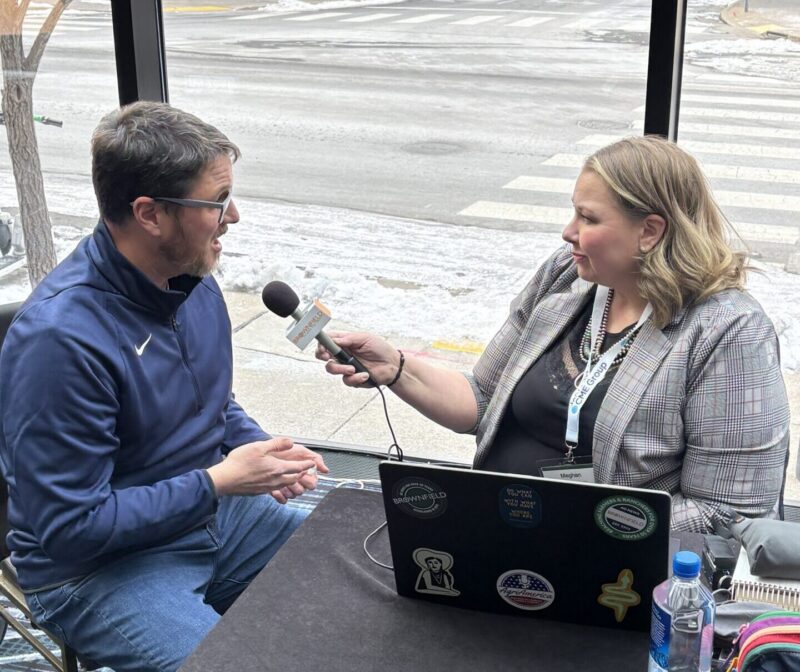
An atmospheric scientist says the recent precipitation hasn’t done much to alleviate drought concerns. Dr. Eric Snodgrass, senior science fellow at Nutrient Ag Solutions says it’s been too cold. “We have frozen soil,” he says. “Any moisture that came in is now just sitting on top of it, not going to soak in because we’re not able to melt it off into the nearly frozen soil versus the deep frozen soil. I don’t like it.”
Snodgrass says he expects the current La Niña weather pattern to end rapidly. And if 2026 plays out like similar years, it could add additional challenges. “We bust yields, and that’s not good,” he says. “We don’t want to have a year worth another record production just of where prices are and where global supply is.”
He tells Brownfield there is also reason to be concerned for pasture and rangelands. “I don’t think the drought monitor has properly captured what the risk area is going to be,” he says.
He says western Nebraska could see serious problems. “I don’t think the drought monitor has properly captured what the risk area is going to be,” he says. “It’s been record dry since the start of December,” he says. “I think that we need to turn this around pretty quickly. But the problem is you turn it around quickly, like I want, now it’s so wet that everything’s mucky and messy, and you’ve gone from one extreme to the next. And so we honestly need something we don’t get very often, which is a nice gentle transition into better spring weather.”
According to the latest drought monitor, about 43 percent of the U.S. was in moderate to extreme drought.
AUDIO: Eric Snodgrass, Nutrien Ag Solutions
Add Comment