
News
Farmers boosting yields with beneficial insects via prairie strips
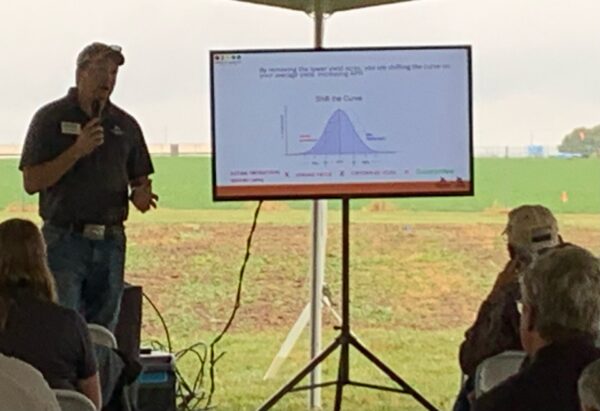
A precision ag conservation specialist with Pheasants Forever says some Midwest farmers are finding success using prairie strips inside their corn and soybean fields.
Dallas Glazik, who also farms in east central Illinois, says the practice of returning portions of fields to native prairie grasses brings numerous benefits to row crop production, primarily beneficial insect activity.
“In a standard corn field, you’re looking at about 93% of the insects there are beneficial or non-binary.” He says, “I implement this on my own farm, putting buckwheat in with my soybeans as well as prairie strips between my fields, and I’ve seen a 5% increase on my soybean yields by getting that pollination.”
He tells Brownfield the strips also improve water quality and retention.
“If you go 30-foot wide with a CRP program, you will get a CRP payment rate.” He says, “They help a lot with soil erosion because we’re talking plants that have 12 to 20-foot root systems.”
Glazik says prairie strips within fields can be placed to match up with a farmers’ equipment size, and he notes some farmers have seen similar benefits converting unprofitable acres to native prairie to boost beneficial insect populations.
“Iowa, University of Illinois and Ohio State show that a 10% reduction in field size placed into a wildlife habitat, so like a native prairie, will actually increase your overall soybean yields.” He says, “They showed 5 to 30% with Ohio State actually showing a 40% jump with the use of wildlife from the prairie strips and buckwheat planted within soybeans.”
He says interested producers should contact their local NRCS office, or reach out to Pheasants Forever, to learn more.
AUDIO: Dallas Glazik – Pheasants Forever
Add Comment