
News
First EHD detection in Wisconsin cattle in 13 years
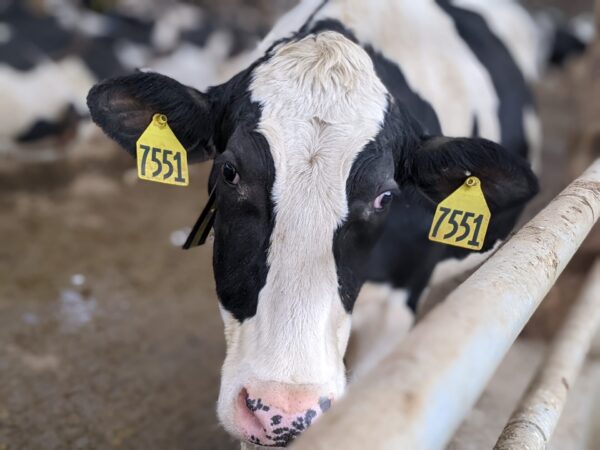
A veterinarian with the Wisconsin Department of Agriculture says the detection of the virus that causes epizootic hemorrhagic disease (EHD) in non-lactating dairy cattle in Waukesha County is unusual, but not overly alarming.
Dr. Heather Roney tells Brownfield it was last detected in cattle in the state in 2013.
“Cattle tend to not show clinical signs, but the cattle in this case did.” She says, “They observed lesions just above the feet of these animals. Sometimes also reported with this disease are oral lesions or excessive salivation.”
She says EHD, which has severely affected the state’s deer population, is transmitted through biting flies, also known as midges or no-see-ums, so producers need to keep a close eye on their herds.
“When we get our first hard frost, we expect these cases to resolve.” She says, “But for the meantime, cattle and cervid species remain susceptible. So, reviewing that herd health plan with your veterinarian, reviewing your parasite control strategy is our best defense.”
Roney says if symptoms are observed, herd owners are encouraged to work with their veterinarian to obtain a definitive diagnosis.
“It can look a little bit like other foreign animal diseases.” She says, “It has some overlapping symptoms, which is one of the reasons we might be concerned about it. Although in this case it was just the lesions on the lower limbs, and that prompted this veterinarian to submit it to the state lab for testing.”
She says humans are not at risk from EHD through insect bites, or direct exposure to, or consumption of, meat or milk from EHD-infected cattle or deer.
AUDIO: Dr. Heather Roney – Wisconsin Department of Agriculture, Trade and Consumer Protection (DATCP)
Add Comment