
News
MSU adds dry beans to aspirational cropping systems research study
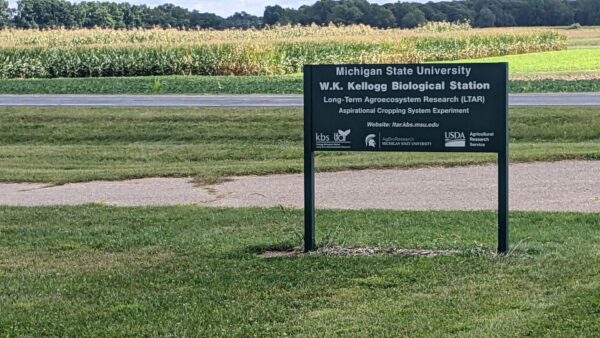
A certified crop advisor says partnering with agricultural research projects can give better insights into how non-traditional management strategies could benefit farmers.
Jason Stegink, with Wide Angle Agriculture, is a member of Michigan State University’s Long-Term Agroecosystem Project advisory board.
“It’s allowed me to say, are there different market opportunities that we need to be looking at or crops we can consider when we have scenarios like this spring when it’s a bit challenging when we put the economics to some of our more traditional corn and soybean rotations,” he says.
After five years of studying aspirational cropping systems, researchers are adding dry beans to a five-crop rotation this season, which also includes corn, soybeans, wheat, and canola.
“We are going to do a few challenging management adjustments, we’re going to do these dry beans in a kind of a modified strip till,” he shares.
Stegink tells Brownfield systems with lower nitrogen utilization also could create lower carbon intensity scores for growers seeking 45Z Clean Fuel Production tax credit premiums in the future.
Add Comment