
News
MSU says sustainable cropping systems are gaining economic advantages in long-term study
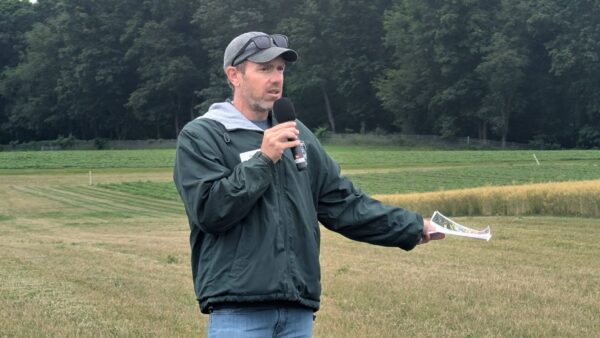
An agricultural researcher says the profitability gap between sustainable and traditional cropping systems is evening out after four years into a project.
Brook Wilke with MSU’s Long-Term Agroecosystem Research tells Brownfield, “There’s a caveat there that it varies by crop.”
“We’re pushing the envelope on some of these crops and innovations to the systems that we know might not be profitable this year or next year,” he explains.
An aspirational system incorporating conservation practices like no-till, cover crops, and diversified cropping rotations is being compared to conventional corn and soybean management.
In 2025, corn and soybeans in the larger crop rotation were more profitable and had higher yields. The total aspirational system, which also included canola, forages, and wheat, was nearly equal in net profits per acre.
Wilke says the next five years of research have shifted forage acres to dry beans.
“Black beans, similar to canola, the major hurdle is going to be growing them no-till because weed management is trickier because they’re not genetically modified, plus they’re just not very big plants,” he explains.
He says ag stakeholders are considering double cropping soybeans with a small grain, incorporating food-grade grains, and testing the true value of seed treatments in future years.
Add Comment