
News
Wheat prices encourage planting, but input costs remain a wildcard
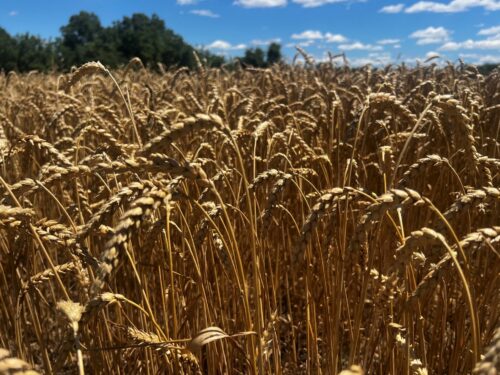
A market analyst says there are several factors that could impact the number planted to wheat this fall.
Jim McCormick with AgMarket.Net says ongoing conflict between Russia and Ukraine has partially led to a runnup in prices recently. “They’re now attacking infrastructure. They’re trying to take out commodity boats. That is essentially cutting the export estimates down at least 50 percent year on year. That’s driving the wheat price dramatically higher, but we’re not seeing an influx of demand.”
He tells Brownfield that could support additional wheat acres. “If the weather does cooperate, our clients out there are telling us with this wheat prices -like July, Kansas City wheat is trading over $8 – the high price is doing what it’s meant to do, it’s attracting wheat acres.”
But, McCormick says, high input costs, especially diesel fuel is still a wildcard. “That is going to be one of the main calculoses that the producers are going to have to take into account as he decides what are they going to do? Fall tillage? Fall fertilizer applications? Does he plant the wheat, or does he say he’ll plant something else in the spring hoping that the energy costs will be less?”
He says higher transportation costs throughout the supply chain could also have an impact.
Add Comment